
Where to Buy BPC-157: A Comprehensive Guide to Purity and Sources
By Peak Haven16 min read
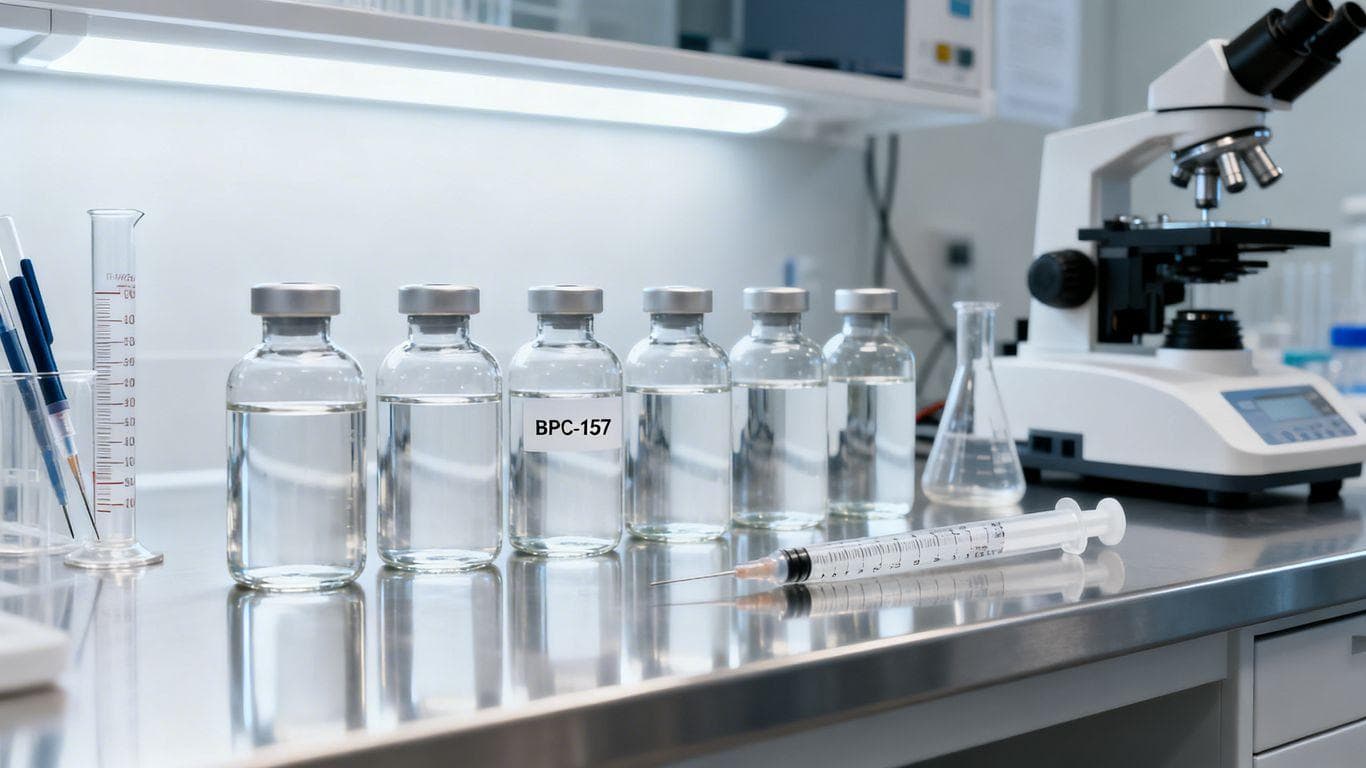
So, you’re looking to buy BPC-157, huh? It’s a compound people talk about for its potential to help with recovery and healing. But here’s the thing: it’s not like picking up a regular vitamin off the shelf. Because it’s not approved by the FDA, the market can be a bit of a wild west. That means you, the buyer, have to do some homework to make sure you’re getting something pure and effective. This guide is here to help you figure out where to buy BPC-157 and what to look for so you don’t end up with a dud.
Key Takeaways
- When you buy BPC-157, always check for a Certificate of Analysis (COA) from a third-party lab. This paper proves the product’s purity and potency, which is super important since the market isn’t regulated.
- Look for suppliers who are upfront about where they get their raw ingredients and how they make their products. Transparency is your best friend when trying to find quality BPC-157.
- Be aware that BPC-157 is sold as a ‘research chemical’ and isn’t approved by the FDA for human use. This means you need to be extra careful about the source you choose.
- Don’t just go for the cheapest option. The price of BPC-157 often reflects the quality control and testing involved. A fair price usually means a better product.
- Before you buy BPC-157, know the local rules about these types of compounds and always store the product correctly to keep it potent.
Understanding BPC-157 Purity and Quality
The Importance of High Purity Levels
When you’re looking into BPC-157, the first thing to really focus on is its purity. Think of it like this: if you’re trying to fix something, you need the right tools, and those tools need to be in good shape. For BPC-157, purity is that good shape. The general standard for a good quality peptide is usually 98% or higher. This number isn’t just pulled out of thin air; it’s typically confirmed through lab tests, most commonly High-Performance Liquid Chromatography, or HPLC. This test basically breaks down the compound and tells you exactly what’s in it and how much of the actual BPC-157 is there.
Verifying Purity with Certificates of Analysis (COA)
So, how do you actually check that purity number? That’s where the Certificate of Analysis, or COA, comes in. This document is your most important piece of evidence when buying BPC-157. A reliable supplier will have a COA for every batch of product they sell. It’s like a report card for the BPC-157, showing the results from independent lab testing. This COA should clearly state the purity percentage, usually confirmed by HPLC. If a company doesn’t readily provide a recent COA for the specific batch you’re interested in, that’s a big warning sign. You want to see that proof before you spend your money.
Here?s what to look for on a COA:
- Purity Percentage: Aim for 98% or higher.
- Testing Method: Look for confirmation of HPLC testing.
- Third-Party Verification: Ideally, the COA comes from an independent lab, not just the manufacturer.
- Batch Number: Make sure it matches the product you’re considering.
Sourcing High-Quality Raw Ingredients
Beyond just the final product’s purity, it’s also smart to think about where the raw materials come from. Reputable companies are usually pretty open about their supply chain. They’ll tell you if they source their ingredients from places that meet certain standards. This attention to the origin of the raw materials helps ensure that the final BPC-157 is not only pure but also free from unwanted contaminants. It?s all part of building a product you can trust.
The effectiveness and safety of BPC-157 are directly linked to its purity. Without proper verification through independent lab testing, you’re essentially taking a gamble on what you’re actually consuming. Always prioritize suppliers who provide clear, accessible Certificates of Analysis (COAs) as proof of quality.
Navigating the Online Market to Buy BPC-157
The internet is flooded with options when you start looking for BPC-157. It can feel overwhelming, and honestly, a bit risky. Since this compound isn’t approved by the FDA for human use, many sellers label it strictly for ‘research purposes only.’ This label is a big deal because it means there’s less oversight on what’s actually in the bottle. You might find products that aren’t as pure as advertised, or worse, contain things you don’t want.
Identifying Trustworthy Online Suppliers
Finding a good seller online takes some detective work. You want to look for companies that are upfront about how they make their products and how they test them. A supplier that provides easy access to their testing results is usually a good sign.
Here?s what to look for:
- Transparency: Do they clearly state where their product comes from and how it’s manufactured?
- Third-Party Testing: Do they have independent labs check their BPC-157 for purity and contaminants? This is super important.
- Customer Reviews: While not always perfect, a pattern of positive reviews from actual customers can be helpful.
- Clear Contact Information: A legitimate business will have ways for you to get in touch if you have questions.
Transparency in Testing and Manufacturing
When you’re buying something like BPC-157, you need proof that it’s what it says it is. This means looking for a Certificate of Analysis (COA). A COA is a document from a lab that shows the results of tests done on a specific batch of the product. It should confirm the purity of the BPC-157 and show that it doesn’t contain any unwanted substances.
- Check the COA Date: Make sure the COA is recent and matches the batch number of the product you’re considering.
- Look for Specifics: A good COA will list the purity percentage and identify any detected impurities.
- Manufacturing Standards: Reputable companies often mention if they follow Good Manufacturing Practices (GMP), even if it’s for research chemicals.
The lack of FDA approval for BPC-157 means that the responsibility for quality control largely falls on the consumer. This makes it vital to choose suppliers who voluntarily adhere to high standards and provide verifiable proof of their product’s integrity.
Avoiding Red Flags When Shopping Online
There are definitely some warning signs that should make you pause before buying.
- No COA Available: If a seller can’t or won’t provide a COA, that’s a major red flag. Don’t buy from them.
- Vague Product Descriptions: Be wary of sellers who are unclear about the product’s concentration, form (e.g., powder, liquid), or origin.
- Unrealistic Claims: If a product promises miracle results or claims to be a cure-all, it’s likely too good to be true.
- Poor Website Design or Functionality: While not always the case, a poorly maintained website can sometimes indicate a less professional operation.
- Pricing Too Good to Be True: Extremely low prices might mean the product is low quality or even fake.
Key Considerations for Purchasing BPC-157
When you’re looking to buy BPC-157, it’s easy to get lost in all the options out there. But really, it boils down to a few main things you need to think about before you hand over your money. It?s not just about finding the cheapest bottle; it?s about getting something that?s actually what it says it is and won’t cause you more problems than it solves.
Prioritizing Proof of Quality Over Claims
Lots of places will make big promises about how good their BPC-157 is. They might talk about amazing healing powers or super-fast recovery. But honestly, those are just claims until they can back them up. The most important piece of evidence you can ask for is a Certificate of Analysis, or COA. This document comes from a lab that isn’t connected to the seller and it shows exactly what’s in the product and how pure it is. If a company can’t or won’t show you a recent COA for the specific batch you’re looking at, that’s a huge red flag. You need that proof to know you’re not getting something filled with junk or that’s just not potent.
Here?s what a good COA should show you:
- Purity Percentage: This tells you how much of the actual BPC-157 is in the sample.
- Identity Confirmation: It confirms that the compound is indeed BPC-157 and not something else.
- Absence of Contaminants: It should list common impurities or heavy metals and show they are below detectable limits.
- Third-Party Lab Information: The name and contact details of the independent lab that performed the testing.
Without a COA, you’re essentially taking a shot in the dark. You’re trusting that the seller is being honest, and in the world of research chemicals, that’s a risky bet. Always look for that independent lab report.
Choosing the Right Formulation for Your Goals
BPC-157 isn’t just one thing; it comes in different forms, and how you plan to use it matters. The most common forms you’ll see are injectable (often a powder that needs reconstitution) and oral capsules. Injectable forms are typically used in research settings and require precise measurement and sterile handling. Oral capsules, on the other hand, are much more convenient for personal use. They take the guesswork out of dosing and are generally easier to incorporate into a daily routine. Think about what makes the most sense for your situation ? are you comfortable with reconstitution and injections, or would a simple capsule be better for your needs?
Understanding Fair Pricing for Quality Products
It’s tempting to grab the cheapest option you find online, but with BPC-157, a super low price often means lower quality. Making pure, well-tested BPC-157 isn’t cheap. The costs involved in rigorous testing, quality control, and proper manufacturing mean that a fair price reflects that investment. If a product seems way cheaper than others, it’s worth asking why. It could mean they’re cutting corners on testing, using lower-quality ingredients, or the concentration isn’t what they claim. You want to find a balance between affordability and knowing you’re getting a product that’s been properly made and verified.
Ensuring Authenticity and Safety of BPC-157
Final Checks Before Committing to a Purchase
So, you’ve done your homework and picked out a supplier for your BPC-157. That’s a big step. But before you hit that ‘buy’ button, it’s a really good idea to do one last check. The market for these kinds of compounds isn’t always super clear, and the quality can really vary. Making sure you’re getting the real deal is super important for both your safety and for the product to actually work like it’s supposed to. It’s not about being suspicious, it’s just about being smart and knowing what you’re putting into your body. When you’re spending money on your well-being, you deserve to know exactly what you’re getting.
Good companies make it pretty easy to check their products because they’re proud of how they make them. They want you to see the proof. There are a few key things to look at that can help you feel good about your purchase:
- The Certificate of Analysis (COA)
- The batch number and expiration date on the packaging
- The company?s storage and handling information
These details together tell a story about the product’s journey from the lab to your door. Knowing how to read them is a useful skill for anyone serious about their health goals.
Understanding Batch Numbers and Expiration Dates
Every legitimate BPC-157 product should have a batch number and an expiration date printed on its packaging. The batch number is like a unique ID for a specific production run. It allows the manufacturer to trace the product back to its origin if there’s ever a question about quality or safety. The expiration date tells you how long the product is expected to remain potent and stable under proper storage conditions. Always choose products with the furthest expiration dates and check that the batch number is clearly visible. If a supplier can’t provide this information or it looks like it’s been tampered with, that’s a major red flag.
Proper Storage and Handling Procedures
Once you have your BPC-157, keeping it effective is just as important as buying a quality product in the first place. Peptides are sensitive molecules. Things like heat, light, and even air can break them down, making them less effective or even useless. Proper storage isn’t just a suggestion; it’s key to protecting the peptide’s structure so you get the benefits you paid for. Think of it like keeping good quality probiotics ? a little care makes a big difference in preserving its power. Following a few simple rules helps maintain the integrity of your BPC-157, making sure it’s ready to work when you need it.
- For lyophilized (freeze-dried) powder: Store in a freezer at -20?C (-4?F). Keep it away from direct light.
- For reconstituted solutions: These are typically less stable. Refrigeration is usually recommended, but always follow the specific instructions from your supplier. Use reconstituted solutions within the recommended timeframe, often a few weeks.
- Avoid temperature fluctuations: Try not to take the product in and out of the freezer or refrigerator repeatedly, as this can degrade the peptide.
Taking care of your BPC-157 after purchase is a vital step. It ensures that the purity and potency you verified before buying are maintained. This attention to detail helps you get the most out of the compound and supports your overall wellness objectives.
Legal and Regulatory Landscape for BPC-157
When you’re looking into buying BPC-157, it’s really important to get a handle on the rules surrounding it. It’s not exactly like picking up a vitamin off the shelf. The whole situation can feel a bit confusing because BPC-157 isn’t approved by the FDA for medical use. This means it can’t be sold as a drug or a supplement you’d find in a typical store. Instead, you’ll often see it labeled "for research use only." This label isn’t just a suggestion; it’s a legal classification that means the product is intended for lab studies, not for people to take.
The FDA’s Stance on BPC-157
The Food and Drug Administration (FDA) has not approved BPC-157 for any medical treatments. This puts it in a category of unapproved new drugs. Because of this, companies can’t legally market or sell it as a treatment for any condition. You won’t find it prescribed by doctors or available in pharmacies for general health purposes. The FDA has even issued warnings about the safety risks associated with using unapproved peptide drugs like BPC-157. This lack of official approval is a major reason why quality control can be such a big issue with many sources.
Understanding the "Research Use Only" Classification
That "research use only" label you see on BPC-157 products is there for a reason. It’s a way for sellers to comply with regulations, but it also highlights the lack of oversight. Since it’s not approved for human consumption, there aren’t any set standards for its purity, strength, or safety. This means the responsibility falls heavily on you to find a supplier who voluntarily tests their products and provides proof of quality. It’s why looking for detailed Certificates of Analysis (COA) is so important when you’re shopping around.
Navigating Location-Specific Regulations
Regulations can also differ depending on where you are. While the FDA’s stance is clear in the United States, other countries might have their own rules about importing or possessing compounds like BPC-157. It’s a good idea to be aware of any local laws that might affect your ability to purchase or use it. For athletes, it’s also worth noting that BPC-157 is considered a prohibited substance by organizations like the World Anti-Doping Agency (WADA), so it’s definitely not something you’d want to use if you compete in sports.
The market for BPC-157 operates in a bit of a gray area. Because it’s not an approved drug, quality can vary wildly. You’re essentially relying on the integrity of the seller to provide a pure and accurately dosed product. Without official regulatory backing, diligence on the buyer’s part is paramount.
Reputable Sources for BPC-157
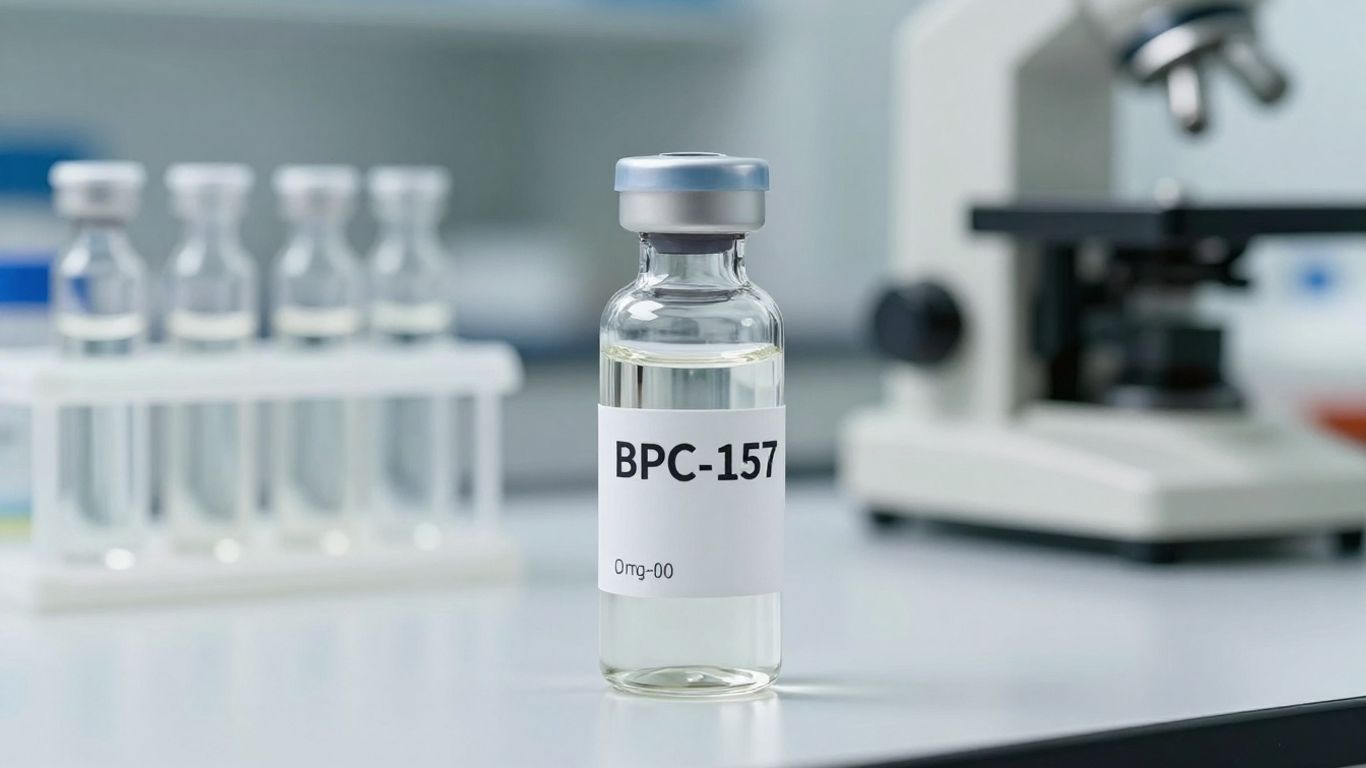
Finding a good place to buy BPC-157 can feel like a treasure hunt, right? It’s not like you can just pick it up at your local pharmacy. Because it’s not an approved drug, the market is a bit different, and you really have to know who to trust. The most important thing is to find a supplier that’s open about how they make their product and what’s actually in it.
Amino Innovations: A Commitment to Quality
Amino Innovations is a company that really focuses on being upfront about their BPC-157. They make their stuff in the US in facilities that follow good manufacturing rules (cGMP certified). They also say they only use ingredients that are generally recognized as safe (GRAS). What’s cool is that they get an independent lab to test every batch. You can actually see these test results, called Certificates of Analysis (COAs), which show you the purity and strength of the product. They aim to provide options that are easy to use, like those not requiring injections, and that you can feel good about.
Exploring Other Peptide Specialists
Beyond Amino Innovations, there are other companies that specialize in peptides. When looking at these, keep a few things in mind:
- Check for Third-Party Testing: Does the company provide lab reports (COAs) from an independent lab? This is a big deal for confirming purity.
- Look at Ingredient Sourcing: Are they clear about where they get their raw materials? High-quality sources usually mean a better final product.
- Read Reviews and Ask Around: See what other users are saying. Online communities can sometimes point you toward reliable vendors.
What to Expect from Leading Brands
When you find a brand that’s doing things right, you should expect a few things:
- Clear Documentation: They should readily provide COAs for each batch.
- Transparency in Manufacturing: Information about where and how the product is made should be available.
- Quality Control: Evidence of rigorous testing to confirm purity and potency.
The online space for research chemicals can be a bit of a wild west. It’s easy for products to be mislabeled or contain impurities. That’s why doing your homework on the supplier is so important. Don’t just go for the cheapest option; focus on companies that show you proof of their quality.
Remember, the goal is to get a product that is what it says it is, pure and effective. This takes a little effort on your part, but it’s worth it for your well-being.
Looking for reliable places to buy BPC-157? We’ve gathered some of the best spots for you. Finding trustworthy sources is key when you’re looking for specific research compounds. We want to make sure you get what you need from places you can count on. For a curated list of trusted vendors, check out our website today!
Wrapping Up Your BPC-157 Search
So, we’ve gone over a lot about finding good BPC-157. Remember, since this stuff isn’t FDA-approved, you’re the one who has to be careful. Always look for that Certificate of Analysis (COA) from a third-party lab ? it’s your best bet for knowing what you’re actually getting. Companies that are open about their testing and where they get their ingredients are usually the ones to trust. Don’t just grab the cheapest thing you see; a fair price usually means they’ve done the work to make sure it’s pure and safe. Keep these points in mind, and you’ll be in a much better spot to find a quality product that works for you.
Frequently Asked Questions
What is the most important thing to check when buying BPC-157?
The most crucial document to look for is the Certificate of Analysis (COA). This paper comes from a lab that is not connected to the seller and shows how pure the BPC-157 is and if it has any unwanted stuff in it. A good company will always show you the COA for their products. If they don’t, it’s best not to buy from them.
Why is BPC-157 labeled ‘For Research Use Only’?
BPC-157 is not approved by the FDA for medical use, so it can’t be sold as a medicine or a regular supplement. This label means it’s meant for lab studies. Because there aren’t strict rules for making it, companies that sell it often label it this way. This puts the job of checking the quality and safety on you, the buyer.
How can I be sure the BPC-157 I buy is real and safe?
To make sure you’re getting a good product, check for a Certificate of Analysis (COA) that proves its purity. Also, look at the batch number and expiration date on the package. Reputable companies are usually open about how they store and handle their products, which helps keep them good.
Are there any side effects I should be worried about with BPC-157?
Most people don’t have bad reactions to BPC-157, and when they do, the problems are usually small, like feeling a bit sick. These issues often happen when the product isn’t pure. Buying from a trusted seller who tests their products helps avoid these problems. It’s always a good idea to talk to a doctor before trying something new.
Does the price of BPC-157 tell me anything about its quality?
Yes, the cost can be a hint. Making pure BPC-157 and testing it properly costs money. If a price seems way too low compared to others, it might mean the company cut corners on quality. It’s better to pay a fair price for a product that has proof of its quality, like a COA.
Is BPC-157 legal to buy?
The rules for buying BPC-157 can be different depending on where you live. In the U.S., it’s not approved by the FDA for medical use, so it can’t be sold as a drug or supplement. It’s often sold for research purposes. You should check the specific laws in your country or region to be sure it’s okay to buy and have.