
GHK-CU Peptide Australia Reviews: What You Need to Know Before You Buy
By Peak Haven15 min read
Thinking about trying GHK-Cu peptide, especially if you’re in Australia? It’s a popular ingredient popping up in a lot of skincare and even some therapeutic discussions lately. People are talking about it for everything from skin repair to easing inflammation. But before you click ‘buy,’ it’s good to know what it is, what it actually does, and if it’s the right move for you. We’ve gathered some info to help you figure out if GHK-Cu peptide Australia reviews are worth paying attention to for your needs.
Key Takeaways
- GHK-Cu is a combination of a naturally occurring peptide (GHK) and copper, known for its role in skin repair and regeneration.
- It’s found in the body but levels decrease with age, leading to interest in topical and injectable forms for potential benefits.
- Topical GHK-Cu is generally for cosmetic skin concerns, while injectables might be considered for more systemic issues, but always consult a doctor.
- When buying GHK-Cu products in Australia, look for reputable sources that can confirm peptide purity and safety, especially for topical serums.
- While generally well-tolerated, some individuals, including those under 18, pregnant, breastfeeding, or with specific health conditions like Wilson’s disease, should avoid GHK-Cu.
Understanding GHK-Cu Peptide
What Is GHK-Cu?
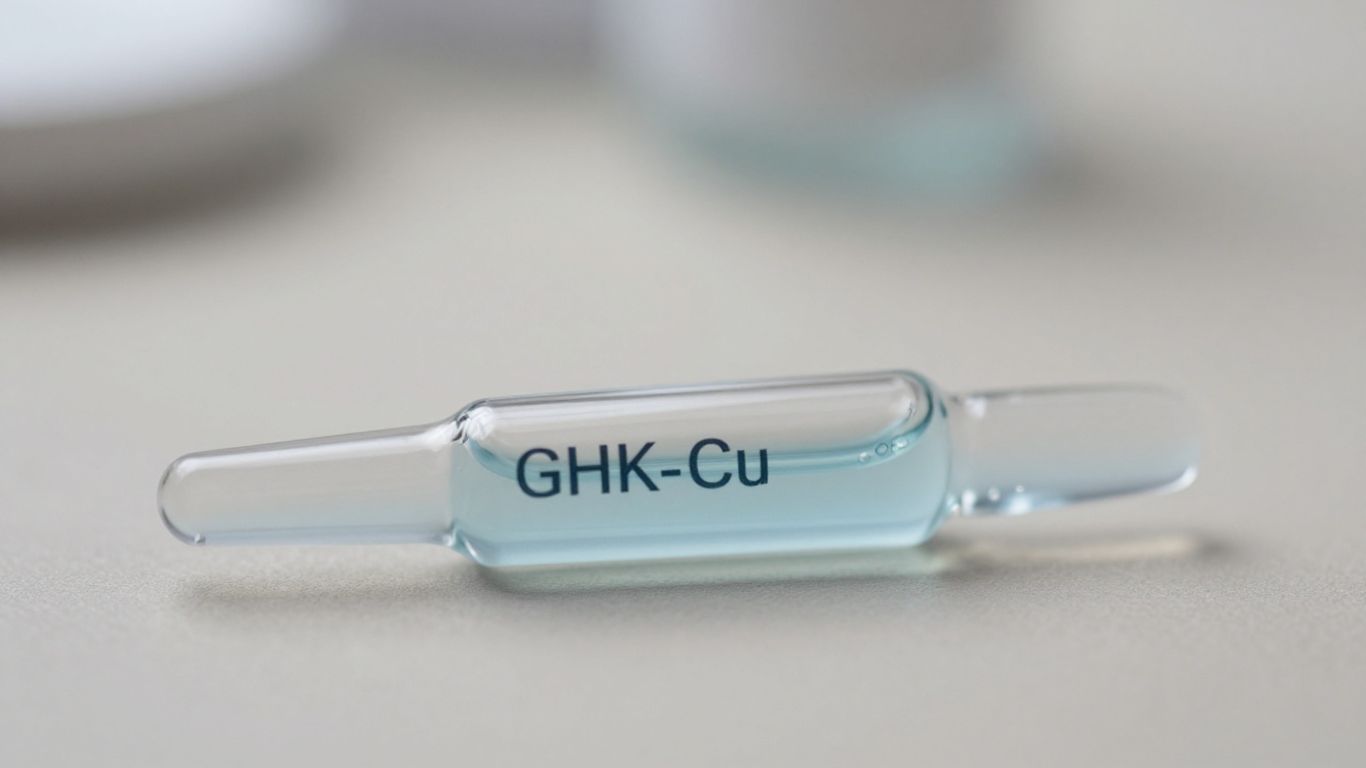
GHK-Cu is a compound that combines a naturally occurring peptide, glycyl-L-histidyl-L-lysine (GHK), with copper. This peptide is quite small, made up of just three amino acids. It’s found in human plasma, saliva, and urine. Think of it as a signaling molecule that tells your body to do certain things, like repair itself. When GHK binds with copper, it forms GHK-Cu, which seems to be its most active form for various biological processes. This complex plays a role in skin health and tissue repair.
The Origin and Discovery of GHK
Dr. Loren Pickart first identified the GHK peptide back in 1973. He noticed that it could make older human liver cells behave more like younger ones, suggesting it had a role in cell growth and regeneration. Initially, it was thought to be specific to liver cells, but further research showed it influences many different types of cells in the body. This discovery opened the door to understanding its potential applications beyond just liver function.
Natural Occurrence and Decline in the Body
As we get older, the amount of GHK naturally present in our bodies tends to decrease. By the time people reach their 60s, levels can drop by more than half. This decline often coincides with a noticeable reduction in the body’s ability to heal and regenerate. For instance, slower wound healing in older adults might be linked to these lower GHK levels. This is one reason why supplementing with GHK-Cu has become a topic of interest for those looking to support their body’s natural processes. The idea is that by reintroducing GHK-Cu, you might help restore some of the regenerative capacity that diminishes with age. It’s interesting to consider how these natural declines impact our overall health and appearance over time. Some research even suggests that GHK-Cu might have anti-cancer actions, though more studies are needed.
Exploring GHK-Cu Peptide Applications
When people talk about GHK-Cu, they’re usually interested in what it can actually do for them. This peptide has gained attention for a few key reasons, mostly related to skin and healing. It’s not just a buzzword; there’s some science behind its proposed benefits.
Key Uses and Benefits of GHK-Cu
GHK-Cu is often highlighted for its potential to help with skin concerns and promote healing. It’s thought to work by signaling the body to repair itself. Some of the main areas where people look to use it include:
- Skin Regeneration: It’s believed to encourage the skin to produce more collagen and elastin, which are proteins that keep skin firm and elastic. This could help reduce the appearance of wrinkles and sagging. It also seems to help with the skin’s natural repair processes.
- Wound Healing: Studies suggest GHK-Cu can speed up how the body heals wounds. It appears to help build up the skin’s structure in the injured area, which is important for recovery. This is one of the more established uses, with research going back decades.
- Anti-inflammatory Effects: Some research indicates that GHK-Cu might have properties that help calm down inflammation. This could be useful for various skin conditions where redness and swelling are issues.
The peptide’s ability to interact with copper, a mineral vital for many bodily functions, is central to its proposed actions. This interaction seems to activate pathways that support tissue repair and maintenance.
Potential for Skin Regeneration and Healing
Much of the interest in GHK-Cu stems from its role in skin health. It’s thought to mimic natural processes that happen in younger skin. For instance, it’s believed to stimulate fibroblasts, which are cells responsible for creating connective tissues like collagen. This stimulation is key for maintaining skin’s structure and resilience. In studies looking at signs of aging, topical GHK-Cu has been applied to see if it can improve skin density and thickness, and reduce fine lines. Some trials have shown positive results compared to placebos or other ingredients, suggesting it can indeed help with skin regeneration and repair.
Applications in Pain and Inflammation Management
Beyond skin, GHK-Cu is also being explored for its effects on pain and inflammation. Some animal studies have suggested that it might have pain-relieving properties. The idea is that it could interact with certain receptors in the body that are involved in pain signaling. While most of the focus remains on cosmetic and wound healing applications, these other potential uses are part of the ongoing research into what this peptide can do. It’s worth noting that these applications are less common and often require different forms of administration, like injections, which are typically done under medical supervision. The research in this area is still developing, and more human studies would be needed to confirm these effects.
GHK-Cu Peptide: Topical vs. Injectable
When considering GHK-Cu peptide for your skin, you’ll likely encounter two main forms: topical applications and injectable solutions. Each has its own set of characteristics, benefits, and ideal use cases. Understanding these differences is key to making an informed choice.
Choosing Between Topical and Injectable Forms
The decision between a topical cream or serum and an injectable form of GHK-Cu often comes down to your specific goals and how you want the peptide to work. For cosmetic concerns focused on the skin’s surface, like fine lines, wrinkles, or general skin texture, topical applications are usually the go-to. They are designed to interact directly with the skin tissue where they are applied. On the other hand, injectable GHK-Cu might be considered for more systemic issues or when a more direct, potent delivery is desired, though its use for cosmetic purposes is less studied than topicals. It’s a discussion best had with a healthcare professional who can assess your needs.
Scope and Expediency of Each Method
Topical GHK-Cu products are readily available over-the-counter and can be incorporated into your daily skincare routine without much fuss. You can often purchase them online or at beauty retailers. This makes them very accessible and quick to start using. Injectable GHK-Cu, however, typically requires a consultation with a doctor and a prescription. This process takes more time and involves a medical professional. While topicals work on the skin’s surface and layers, injectables circulate throughout the body, meaning a portion may reach the skin, but it’s a less targeted approach for purely cosmetic skin goals. For optimizing topical delivery, formulations like liposomal GHK-Cu have shown greater improvements in skin density and wrinkle depth compared to standard methods.
Considerations for Starting with Topicals
If you’re new to GHK-Cu or concerned about potential reactions, starting with a topical form is often a sensible first step. You can begin with a small amount and gradually increase usage to see how your skin responds. It’s also wise to avoid using GHK-Cu topicals with other strong active ingredients, such as retinoids or high concentrations of Vitamin C, especially when you’re first starting out. This helps prevent irritation and allows you to gauge the peptide’s effects on its own. Always follow the specific product’s instructions, and remember that even though GHK-Cu may offer some UV protection, daily sunscreen use remains important.
When using topical GHK-Cu, it’s generally recommended to apply it to clean skin. Some users find it beneficial to follow up with a simple, hydrating moisturizer to lock in the product and support the skin barrier. Avoid harsh exfoliants or other potent actives in the same routine initially to minimize potential irritation and allow the peptide to work effectively.
Here’s a general idea of how topical GHK-Cu might be used:
- Application Area: Apply directly to the desired skin area, such as the face, neck, or d?colletage.
- Frequency: Start with once daily, potentially increasing to twice daily if tolerated well.
- Timing: Can typically be used morning or night, as it doesn’t usually increase sun sensitivity.
For injectable GHK-Cu, the approach is quite different and involves specific dosing schedules and administration techniques, usually guided by a healthcare provider. The protocols can vary significantly based on the intended therapeutic outcome.
Where to Purchase GHK-Cu Peptide in Australia
Finding GHK-Cu peptide products in Australia involves a few different avenues, depending on whether you’re looking for something you can pick up off the shelf or a more specialized form. It’s really important to know what you’re getting, especially when it comes to something you’ll be applying to your skin or, in some cases, injecting.
Finding Over-the-Counter Topical Products
For most people, the easiest way to get started with GHK-Cu is through topical products. You can find these in a variety of places, both online and in physical stores. Many cosmetic brands now include GHK-Cu, often listed as "Copper Tripeptide-1" on the ingredient list. These are generally available without a prescription. When you’re browsing, look for serums or creams specifically formulated for skin regeneration or anti-aging benefits. Some Australian companies even produce these in small batches, keeping them fresh. You might find these at specialized beauty retailers or even some pharmacies.
Ensuring Peptide Purity and Safety
This is where things can get a bit tricky. Not all GHK-Cu products are created equal. It’s vital to prioritize purity and safety above all else. If you’re buying a topical product, you want to be sure it’s made with ingredients safe for human use. Some products are labeled for research purposes only, and these aren’t held to the same standards as cosmetic or pharmaceutical-grade ingredients. If a brand is hesitant to share details about their peptide purity or manufacturing processes, that’s a definite red flag. Don’t be afraid to contact their customer service and ask direct questions. Reputable companies will be transparent about their quality control.
Identifying Reputable Sources for GHK-Cu
When you’re looking for GHK-Cu, especially if you’re considering something beyond a standard cosmetic serum, it’s wise to do your homework. For topical serums, look for brands that are transparent about their sourcing and manufacturing. Some Australian brands focus on creating research-backed copper peptide serums with a focus on quality. If you’re exploring options for injectable forms, this is a much more regulated path. You’ll typically need to consult with a healthcare professional who can prescribe pharmaceutical-grade peptides. These are not something you should buy from random online vendors, as the risks associated with impure or incorrectly dosed injectables are significant. Always stick to established clinics or pharmacies that can verify the grade and source of the peptide.
Safety and Efficacy of GHK-Cu Peptide
When considering any new substance for your routine, especially something like GHK-Cu peptide, it’s smart to look at what we know about its safety and how well it actually works. Most of the research points to GHK-Cu being pretty safe, particularly when used topically. It’s a naturally occurring compound in the body, and studies often mention its long history of safe use in skincare and wound healing. It works at very low concentrations, which helps keep risks down.
Who Should Avoid GHK-Cu Peptide?
While generally considered safe, there are a few groups of people who should probably steer clear or talk to a doctor first. This includes:
- Individuals under 18: We don’t have enough information on how copper peptides might affect younger bodies and their development.
- Pregnant or breastfeeding individuals: Similar to the above, the effects on a developing fetus or through breast milk haven’t been studied enough.
- People with active or suspected cancer: Even though GHK-Cu shows some anti-cancer potential, it can also encourage new blood vessel growth, which could theoretically help tumors grow.
- Those with Wilson’s disease: This is a rare genetic condition where the body can’t process copper properly, so adding more copper, even in peptide form, could be risky.
Potential Side Effects and Intolerances
For most people, side effects are rare. However, because GHK-Cu contains copper, there’s a small theoretical risk of copper toxicity. Symptoms could include things like stomach pain, vomiting, or a metallic taste in your mouth. It’s important to remember that the amount of copper in typical GHK-Cu products is usually very low, making this risk quite minimal. Some people might experience mild skin irritation when first starting, but this often resolves. If you’re looking into different peptide options, you might find information on various research peptides that are lab-tested.
It’s always a good idea to start with a small amount or a lower concentration to see how your skin reacts. Patch testing is a sensible first step before applying it more widely.
Evidence-Based Research on Efficacy
Research into GHK-Cu’s effectiveness is quite promising, especially for skin health. Studies have shown it can help improve skin density and thickness, reduce the appearance of fine lines and wrinkles, and boost collagen production. It’s also noted for its ability to help with wound healing by encouraging the skin’s natural repair processes. Some research even suggests it might have anti-inflammatory and pain-relieving properties, though more studies are needed in these areas. It’s worth noting that the regulatory landscape for these types of products in Australia is still developing, with questions sometimes raised about safety and efficacy in humans when marketed without approval.
Here’s a quick look at some reported effects:
- Skin Regeneration: Studies indicate GHK-Cu can stimulate collagen, improve skin elasticity, and help repair damaged skin cells.
- Wound Healing: It appears to speed up the healing process by increasing protein and collagen synthesis at the wound site.
- Anti-inflammatory Properties: Early research suggests it may help reduce inflammation, though this needs more investigation.
- Pain Management: Some animal studies show analgesic effects, but human data is limited.
Integrating GHK-Cu Peptide into Your Routine
So, you’ve decided to give GHK-Cu a try. That’s great! But how do you actually fit it into your day-to-day life? It’s not as complicated as it might seem, especially if you’re using the topical form. Think of it as adding another step to your skincare, but one that works pretty hard behind the scenes.
Recommended Usage Directions for Topicals
When you’re using a GHK-Cu serum or cream, the most important thing is to follow the product’s specific instructions. They’re usually pretty straightforward. Most of the time, you’ll apply it directly to the area you want to treat, like your face. Unlike some other strong skincare ingredients, GHK-Cu doesn’t typically make your skin more sensitive to the sun. Some studies even suggest it might offer some protection against UV damage. Still, it’s always a good idea to wear sunscreen when you go outside, just to be safe. You might want to start with a small amount to see how your skin reacts, and then gradually increase it. Using a gentle cleanser before application and a simple moisturizer afterward can also be helpful.
- Apply to clean, dry skin.
- Use a small amount initially.
- Follow product-specific instructions.
- Always wear sunscreen outdoors.
Layering and Alternating Peptides Safely
If you’re using other peptides or active ingredients in your skincare, you might wonder how GHK-Cu fits in. Generally, you can layer it with other peptides, as long as they’re formulated to work together. Combining it with something like Matrixyl, for instance, could potentially boost collagen production. However, if you’re using really potent ingredients, it’s smart to introduce them slowly and maybe do a patch test first to see how your skin handles it. It’s also wise to avoid using GHK-Cu with harsh exfoliants like AHAs, BHAs, or strong retinoids, as this could lead to irritation or reduce the peptide’s effectiveness.
When introducing multiple active ingredients into your routine, it’s best to do so one at a time. This way, you can easily identify which product might be causing any irritation or unexpected reactions.
When to Use GHK-Cu Peptide Alone
There are definitely times when using GHK-Cu by itself is the best approach. If your skin is feeling a bit sensitive, irritated, or has recently undergone a treatment that made it reactive, GHK-Cu can be a real lifesaver. It’s known for its calming properties and ability to support the skin’s natural repair processes without being too aggressive. This makes it a great choice when you want to give your skin a break from stronger actives but still want to provide it with beneficial support. It’s a gentle way to help your skin recover and strengthen its barrier function. For those looking for a regenerative peptide that supports healing, GHK-Cu injections are also an option, though they require a doctor’s guidance.
- Post-treatment sensitivity
- Periods of skin irritation
- When using other strong actives
- To support general skin barrier health
Want to add GHK-Cu Peptide to your daily routine? It’s a fantastic way to help your skin look and feel its best. This amazing ingredient can do wonders for your skin’s health and appearance. Ready to see the difference for yourself? Visit our website to learn more and find the perfect GHK-Cu Peptide products for you!
Wrapping Up Your GHK-Cu Research
So, after looking into GHK-Cu, it seems like this copper peptide has some real potential, whether you’re thinking about using it on your skin or maybe even through injections. It’s been around for a while, and there’s a good amount of research showing it can help with things like skin repair and maybe even pain. Just remember, everyone’s skin is different, so what works for one person might not be the same for another. If you’re considering the injectable route, definitely talk to a doctor first. For topicals, make sure you’re buying from a reputable source and pay attention to the ingredients. It?s not a magic bullet, but it could be a helpful addition to your routine if you?re looking for skin support.
Frequently Asked Questions
What exactly is GHK-Cu?
GHK-Cu is a small chain of amino acids, called a peptide, that’s joined with a copper atom. Think of it like a tiny helper molecule that naturally exists in your body. It’s known for its ability to help your skin repair itself and look younger.
Why does my body have less GHK-Cu as I get older?
As people age, the amount of GHK-Cu naturally found in their body tends to decrease. This drop often happens around age 60. Scientists believe this might be why older skin doesn’t heal as quickly as younger skin.
Can I buy GHK-Cu products easily in Australia?
Yes, you can find GHK-Cu in many skincare products sold in Australia, both in stores and online. These are usually applied to the skin. If you’re looking for stronger forms, like injections, you’ll need to talk to a doctor.
Is GHK-Cu safe to use on my skin?
For most people, GHK-Cu is considered safe for skin use. However, it’s not recommended for everyone. People under 18, pregnant or breastfeeding individuals, and those with certain health conditions like cancer or Wilson’s disease should avoid it. Always check with a doctor if you’re unsure.
How should I use GHK-Cu products on my skin?
When using GHK-Cu on your skin, it’s often best to start with a small amount and use it just once a day. Avoid using it with other strong skincare ingredients like retinoids or acids at the same time, as this could cause irritation. It’s also wise to wear sunscreen, even though GHK-Cu can help protect your skin from the sun.
What are the main benefits of using GHK-Cu?
GHK-Cu is praised for helping skin heal, reducing redness and irritation, and making skin look firmer and smoother. It can also help fade scars and improve the skin’s overall appearance, making it a popular choice for anti-aging and skin repair.