

In the world of health and wellness, new substances often pop up, promising big results. TB-500 capsules are one of these. People talk about them for things like healing faster and looking better. But what’s really going on with TB-500? This article takes a look at what tb500 capsules are, what the research says, and the important safety and legal stuff you need to know.
Key Takeaways
- TB-500 is a synthetic peptide that mimics a natural body protein, thymosin beta-4, and is explored for its potential in healing and tissue repair.
- Research, mostly in animals, suggests TB-500 might help with wound healing, heart health, and eye issues, but human studies are limited.
- The safety of tb500 capsules for humans isn’t fully established, and potential risks include unknown side effects and interactions.
- TB-500 is not approved by the FDA for medical use, and its production isn’t regulated, raising concerns about purity and safety.
- Athletes should be aware that TB-500 is banned by the World Anti-Doping Agency (WADA), and using it can lead to penalties.
Understanding TB-500 Capsules
What Are TB-500 Capsules?
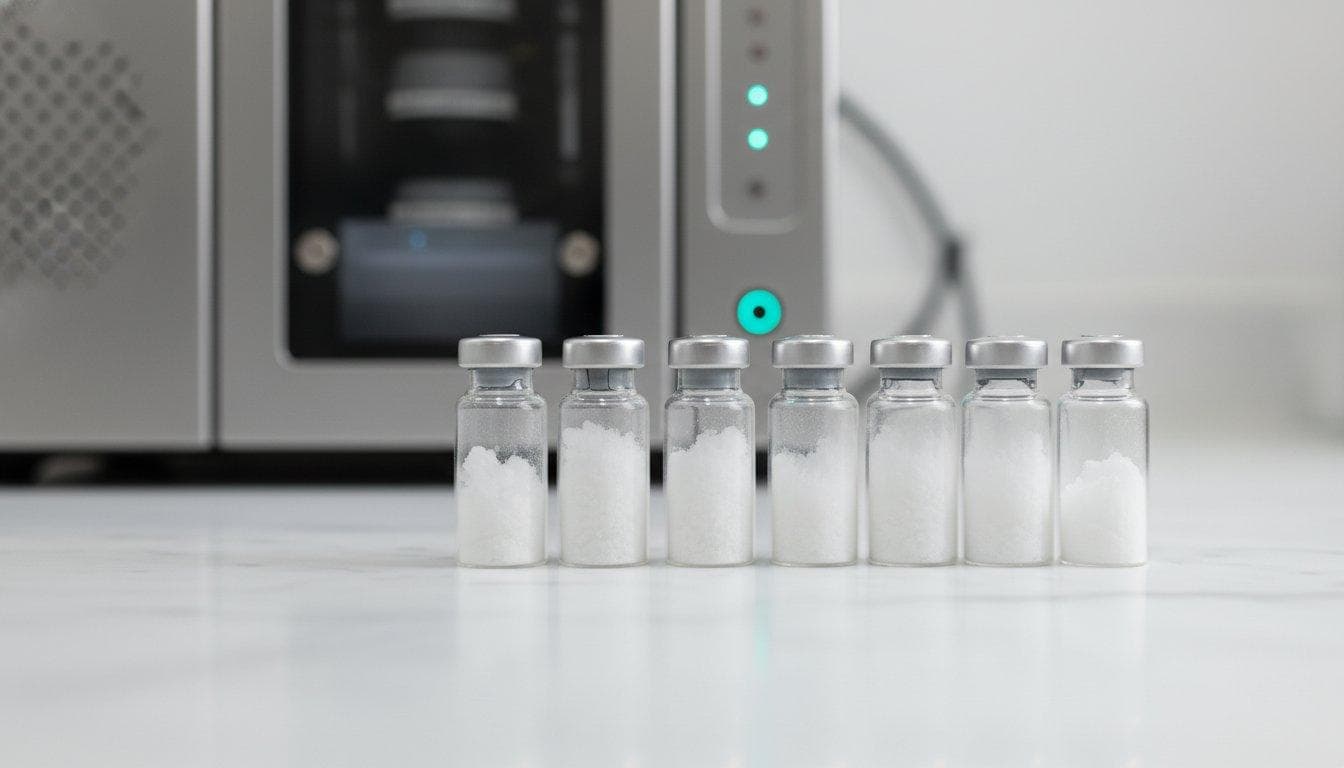
TB-500 capsules are a synthetic supplement made from a small peptide sequence modeled after thymosin beta-4, a naturally occurring protein in the body. These capsules are usually taken for potential health benefits like faster healing, muscle recovery, and less inflammation. Most TB-500 found online is intended specifically for research purposes rather than approved medical treatment. The contents and purity of these capsules can vary widely because they?re not regulated.
A few key points about TB-500 capsules:
- They are sold online for ?research use? but frequently used recreationally or experimentally.
- Formulated as oral capsules, they?re marketed as an easier alternative to injectable peptides.
- Dosage and actual peptide content often differ from what?s listed on the label, given the lack of oversight.
TB-500 capsules are popular among people looking for shortcuts to recovery, but what?s inside the capsule might not always be what you expect.
The Science Behind TB-500
TB-500 is a lab-synthesized version of a protein fragment that is known for its influence over cell movement and tissue repair. The main reason it?s interesting? It mimics the region of thymosin beta-4 that interacts with actin, a protein crucial for cell migration and growth. Researchers theorize that this could help cells move to areas where healing is needed, such as after injury.
- TB-500?s structure: A short peptide designed to boost cell growth and reduce inflammation.
- Animal studies point to possible benefits in wound healing, muscle recovery, and even some heart conditions.
- Actual human studies remain scarce, so a lot of claims are based on animal and cellular research.
| Feature | TB-500 | Thymosin Beta-4 |
|---|---|---|
| Origin | Synthetic | Naturally made |
| Structure | Shorter | Full-length |
| Main Use (studied) | Research | Approved in some countries for medical use |
| Common Administration | Capsule/Injection | Injection |
TB-500 vs. Thymosin Beta-4
Although TB-500 is closely related to thymosin beta-4, there are some important differences. TB-500 is actually just one part of the larger thymosin beta-4 protein?it was developed to focus on the part of the molecule thought to be most active. This design aims to overcome some practical issues with the full protein, like cost and stability, and to potentially make it more bioavailable when taken in other forms.
Key differences:
- TB-500 is a fragment and doesn?t have all the possible actions of the full thymosin beta-4 molecule.
- The full thymosin beta-4 is sometimes used in clinical settings outside the US, whereas TB-500 is not officially approved for human treatment anywhere.
- Some people believe TB-500 may work better when taken orally, though there?s very little direct research supporting this.
If you?re thinking about using TB-500 capsules based on claims of faster healing or muscle growth, just know there?s a real gap between the science available and the stories online.
Potential Applications and Research Findings
TB-500 capsules are drawing attention due to a wide variety of possible uses in both health and recovery. While much of the evidence so far relies on preclinical studies, the reported outcomes hint at some intriguing directions for future research. Here?s a breakdown of what?s currently known about where TB-500 might fit in medicine and science.
Wound Healing and Tissue Regeneration
TB-500 is being studied for its effects on wound healing and the repair of soft tissue. Some laboratory and animal research has found that TB-500 may speed up the body’s healing processes. The proposed mechanisms include promoting new blood vessel growth, reducing inflammation, and encouraging cell migration to injury sites. These features make TB-500 particularly interesting for the following situations:
- Non-healing skin ulcers
- Injuries in diabetic patients
- Aging or slow-recovering tissues
| Study Model | Effect Observed |
|---|---|
| Mice (2018, 2003) | Faster wound closure |
| In vitro cell lines | Enhanced cell migration |
| Animal soft tissue | Reduced fibrosis and scarring |
Notably, animal studies have linked TB-500 with quicker repair in healthy, diabetic, and aged tissues, which is promising for those dealing with complicated or chronic wounds.
Cardiovascular and Ocular Health
Researchers have shown interest in TB-500?s possible use beyond just surface wounds. Its influence on new blood vessel formation (angiogenesis) and inflammation suggests that it might be useful for heart and eye problems as well. Some early studies report:
- Improved recovery from heart tissue injury (in animals)
- Reduced damage following eye injuries or corneal diseases
- Prevention of excessive scarring in the heart and eyes
Of course, this is still very exploratory. Clinical trials in humans are sparse, so any claims should be taken with caution.
Hair Growth and Neuroprotection
People sometimes talk about using TB-500 for hair loss or brain protection, although firm evidence in these fields is limited. Proposed mechanisms, mainly based on what?s known about Thymosin Beta-4 from which TB-500 is derived, include:
- Stimulating hair follicle regrowth
- Protecting nerve cells after injuries like stroke or trauma
- Supporting brain and nerve recovery in animal models of injury
| Potential Use | Evidence Level |
|---|---|
| Hair regrowth | Anecdotal/preclinical |
| Brain injury support | Animal/preclinical |
There?s definitely public interest in these applications, but at this stage, most of the support comes from animal and laboratory data, not large-scale human studies.
In short, TB-500 may have future value in wound care, cardiovascular recovery, and possibly even in neurology, but researchers are still mapping out its safety and effectiveness in real-world medical situations.
Safety Profile and Potential Risks
Known Side Effects of TB-500
While TB-500 is often discussed in terms of its potential benefits, it’s really important to talk about what could go wrong. Early research and anecdotal reports suggest that TB-500 is generally well-tolerated, especially when compared to other experimental compounds. Some studies looking at thymosin beta-4, the natural counterpart to TB-500, have noted an excellent safety profile with no significant preclinical toxicology found. Clinical trials involving thymosin beta-4 have also indicated it’s feasible and safe, with healthy individuals reporting good tolerance.
However, like many substances, it’s not without potential side effects. Most reported issues are mild and tend to occur with injectable forms, which are more common in research settings than the capsule form. These can include:
- Injection site reactions: Redness, mild swelling, or discomfort where the injection was given.
- Gastrointestinal upset: Some users report mild stomach issues.
- Headaches and dizziness: These are also occasionally mentioned.
It’s worth noting that these are often based on studies using different administration methods, and the experience with capsules might vary. The long-term effects of using TB-500, especially in capsule form, are not yet fully understood.
Risks for Specific Populations
When considering any new substance, it’s natural to wonder if certain groups need to be extra careful. Right now, there isn’t a lot of specific data on how TB-500 might affect different populations. This includes pregnant or breastfeeding individuals, children, or those with pre-existing health conditions like autoimmune diseases or cancer. Because TB-500 is thought to influence cell growth and repair, there’s a theoretical concern that it could potentially impact conditions involving uncontrolled cell growth, like cancer. More research is definitely needed here to understand any specific risks for these groups.
Concerns Regarding Unregulated Production
This is a big one. Since TB-500 isn’t approved by the FDA for human use, it falls into a gray area. This means there’s no official oversight on how it’s made. What does that mean for you? Well, it can mean a few things:
- Purity issues: The product might not be as pure as advertised. There could be contaminants or other substances mixed in.
- Dosage inconsistencies: The amount of active TB-500 in each capsule might not be accurate, leading to under- or over-dosing.
- Unknown ingredients: You might not know exactly what you’re getting.
This lack of regulation is a significant concern because it means users are taking a product without guaranteed quality control. It’s like buying something from a sketchy online store ? you hope for the best, but you really don’t know what you’re going to get. This is why sourcing TB-500 from reputable, research-grade suppliers is often emphasized, though even that doesn’t eliminate all risks associated with an unapproved substance.
The absence of FDA approval means TB-500 has not undergone the rigorous safety and efficacy testing required for pharmaceutical drugs. This leaves a significant knowledge gap regarding its potential adverse effects and interactions with other medications or health conditions. Users are essentially participating in an uncontrolled experiment.
Navigating the Regulatory Landscape
When we talk about substances like TB-500 capsules, it’s really important to get a handle on where they stand legally and with the official bodies that oversee health products. It’s not always a straightforward picture, and understanding this can help you make more informed decisions.
FDA Approval Status of TB-500
The Food and Drug Administration (FDA) in the United States has not approved TB-500 for human use. This means it hasn’t gone through the rigorous testing and review process required to be deemed safe and effective for treating any medical condition in people. Currently, TB-500 is generally sold for research purposes only. This classification is often used for substances that are still experimental. While some companies might market it with claims of therapeutic benefits, the FDA’s stance is that it is not approved for consumption. This situation is common for many peptides that show early promise in lab studies but haven’t completed the full clinical trial pathway [5ab1].
WADA Prohibitions for Athletes
For athletes, the regulatory landscape includes organizations like the World Anti-Doping Agency (WADA). WADA maintains a list of prohibited substances and methods that athletes must avoid to compete fairly and safely. TB-500, due to its potential effects on tissue repair and regeneration, is included on this list. Its presence on the WADA Prohibited List means that athletes subject to anti-doping rules cannot use TB-500. Testing for prohibited substances is a standard part of competitive sports, and a positive test can lead to significant penalties.
Ethical Considerations for Prescribers
This is where things get a bit more complex. Because TB-500 is not FDA-approved, prescribing it for human use raises significant ethical questions for medical professionals. Doctors who choose to prescribe such substances often do so outside of standard medical guidelines, sometimes through compounding pharmacies or by sourcing from research chemical suppliers. This practice carries risks, as the purity, dosage, and long-term effects of these unapproved substances are not well-established. It’s a delicate balance between a patient’s desire for a treatment and a prescriber’s responsibility to provide safe and evidence-based care. The lack of FDA oversight means that accountability can be unclear if adverse events occur.
The journey from a promising compound in a lab to a widely accepted medical treatment is long and involves extensive safety and efficacy testing. Substances not yet approved by regulatory bodies like the FDA exist in a gray area, often marketed for research but sometimes used by individuals seeking unproven benefits. This lack of official sanction means users are taking on risks that are not fully understood or accounted for by health authorities.
Administration and Usage of TB-500
Typical Dosage Patterns in Research
When looking at how TB-500 is used in research settings, there isn’t one single way it’s administered. It really depends on what the researchers are trying to achieve. However, some patterns do emerge from the studies and clinical observations. The exact dosage and frequency are highly individualized and should always be determined by a qualified healthcare professional.
Here’s a general idea of how it’s been used:
- Initial Phase: Often, a higher dose is used at the beginning of a treatment cycle. This might involve around 2.0 to 2.5 mg given every other day. The goal here is to build up levels in the body.
- Weekly Dosage: Total weekly amounts can range from 4 mg to 8 mg, usually split into two or three separate administrations during the week.
- Maintenance Phase: Once improvements are seen, some protocols suggest lowering the dose to about 2 mg to 6 mg per month. This is adjusted based on how the individual is responding.
- Cycle Length: Treatment cycles typically last between 6 to 12 weeks, but this can be extended or shortened depending on the situation and medical advice.
Methods of Administration
TB-500 is generally given through injections. This method is preferred because it allows the peptide to enter the bloodstream more directly and quickly, which is thought to make it more effective. The two main ways it’s injected are:
- Subcutaneous Injection: This means injecting just under the skin. It’s a common method for many peptides.
- Intramuscular Injection: This involves injecting directly into a muscle.
Some people also combine TB-500 with other peptides, like BPC-157, believing it can boost recovery and healing effects. However, this practice is based on anecdotal evidence and theoretical synergy rather than extensive clinical trials.
It’s important to remember that TB-500 is not approved by the FDA for human use. This means there’s no official guidance on how to use it safely or effectively. The information available comes from research studies and observed usage patterns, which may not reflect optimal or safe practices for the general public. Using research-grade peptides, which may have lower purity standards, is particularly risky and not recommended for human therapy.
Importance of Medical Supervision
Given that TB-500 is not an approved medication and its long-term effects in humans are not fully understood, medical supervision is extremely important. A healthcare provider can help assess if TB-500 is even appropriate for an individual, considering their health history and any existing conditions. They can also monitor for any adverse reactions and adjust the dosage or administration method if necessary. Without this oversight, individuals might use incorrect dosages, administer it improperly, or miss signs of potential health issues, increasing the risks associated with its use.
Exploring Alternatives to TB-500 Capsules
When looking into ways to support recovery and physical well-being, it’s smart to consider all the options. While TB-500 has generated some interest, there are many established and scientifically supported methods that people use. These alternatives often come with a clearer understanding of how they work and a more predictable safety record.
Evidence-Based Recovery Methods
Many approaches to healing and recovery have a solid foundation in scientific research and clinical practice. These methods focus on supporting the body’s natural processes rather than introducing unproven compounds.
- Physical Therapy: This involves guided exercises and manual techniques to restore movement, strength, and function after injury or surgery. It’s tailored to individual needs and progresses as the body heals.
- Nutritional Support: A balanced diet rich in proteins, vitamins, and minerals is key for tissue repair and overall health. Specific nutrients can play a direct role in the healing cascade.
- Adequate Rest and Sleep: The body performs much of its repair work during sleep. Prioritizing rest allows the body to focus energy on healing and regeneration.
- Mind-Body Techniques: Practices like meditation and mindfulness can help manage pain perception and reduce stress, which can positively impact the healing process.
FDA-Approved Treatment Options
For many conditions, there are treatments that have gone through rigorous testing and have been approved by regulatory bodies like the FDA. These treatments have demonstrated safety and effectiveness in clinical trials.
- Prescription Medications: Depending on the specific issue, doctors can prescribe medications to manage pain, reduce inflammation, or promote healing. These are chosen based on the condition and the patient’s overall health.
- Regenerative Therapies (Under Investigation/Approval): While still an evolving field, some therapies that aim to stimulate tissue repair are being studied and, in some cases, approved for specific uses. These often involve using the body’s own cells or growth factors under controlled conditions.
- Medical Devices: Various medical devices, from specialized braces to advanced wound care systems, are available and approved to aid in recovery and rehabilitation.
The Role of Lifestyle Factors
Beyond specific treatments, everyday lifestyle choices play a significant role in how well the body recovers and performs. Focusing on these foundational elements can make a substantial difference.
- Consistent Exercise (Appropriate Level): Engaging in regular, suitable physical activity helps maintain muscle mass, improve circulation, and support joint health, all of which are important for recovery and preventing future issues.
- Stress Management: Chronic stress can impede healing. Finding healthy ways to cope with stress, such as through hobbies or social connection, is beneficial.
- Hydration: Proper water intake is necessary for all bodily functions, including nutrient transport and waste removal, which are vital for healing.
When considering any approach to health and recovery, it’s always best to rely on methods that have a strong track record of safety and proven results. Consulting with healthcare professionals ensures that you receive guidance tailored to your specific needs and that you are pursuing treatments that have been thoroughly evaluated.
Choosing well-researched and approved options means you’re working with the body’s natural capabilities in a way that is understood and predictable, rather than taking a chance on unverified substances.
Looking for other options besides TB-500 capsules? We understand that finding the right fit is important. Explore our selection of research peptides and related compounds to discover alternatives that might suit your needs better. Visit our website today to see what’s available!
Wrapping Up Our Thoughts on TB-500 Capsules
So, after looking into TB-500 capsules, it’s clear there’s a lot of talk about what they might do, especially when it comes to healing and recovery. Some studies on its related compound, TB4, show promise in areas like wound healing and even heart health in animal models. However, it’s super important to remember that TB-500 itself hasn’t been approved by the FDA for human use. This means we don’t have solid proof it’s safe or works like people hope it will. Plus, the way these things are made isn’t really watched over, so you never quite know what you’re getting. Relying on unproven treatments can be risky, and it might even stop you from seeking out medical advice or treatments that are known to be safe and effective. When it comes to your health, sticking with what’s been tested and approved by doctors is usually the smartest path forward.
Frequently Asked Questions
What exactly is TB-500?
TB-500 is like a lab-made version of a natural body helper called thymosin beta-4. Think of it as a small piece of a protein that might help your body heal and rebuild itself. Scientists are looking into what it can do, but it’s not something doctors usually prescribe yet.
Is TB-500 approved for use?
No, TB-500 has not been approved by the U.S. Food and Drug Administration (FDA) for any medical use in people. This means it hasn’t gone through the strict testing needed to prove it’s safe and works well for treating any health problem.
What are the possible benefits of TB-500?
Some studies, mostly in animals, suggest TB-500 might help with healing wounds faster, repairing tissues, and maybe even helping with heart and eye health. It’s also being looked at for things like hair growth and protecting nerves. However, more research in humans is needed to be sure.
Are there any risks or side effects with TB-500?
Since TB-500 isn’t fully studied in people, the side effects aren’t completely known. Some people might have mild reactions like redness where it’s injected, headaches, or feeling dizzy. There’s also a concern that it could potentially encourage the growth of cancer cells, and it’s not recommended for pregnant women or those with cancer.
Can athletes use TB-500?
No, athletes cannot use TB-500. The World Anti-Doping Agency (WADA) has banned it. If an athlete is caught using it, they can face serious consequences like being suspended from their sport.
Where can I get reliable information about TB-500?
Because TB-500 is not FDA-approved and is often sold without strict oversight, it’s hard to find reliable sources. It’s really important to talk to a qualified healthcare professional if you have questions about treatments. They can guide you toward proven and safe options for your health concerns.